
.png)
.png)


Founded in 1960, Stjarnan FC has grown into the second-largest club in Iceland. With that scale comes a familiar challenge: how do you keep coaches, teams and age groups moving in the same direction while still giving each player the individual support they need?
At Stjarnan, the answer starts with structure. Training plans are made visible across the club, development conversations are documented and followed up, and performance data is brought together with feedback from the players themselves.
XPS Network sits at the centre of that process. It gives coaches a shared place to plan and learn from each other, while giving players a clearer view of what they are working on, why it matters and what comes next.
Planning That Creates Coach Accountability
From U13 upwards, Stjarnan’s coaches enter their training plans at least one week in advance. They work within six-week blocks designed to create continuity between U15, U17, U19 and the club’s other teams.
This makes the club’s development priorities visible. It also gives coaches a clear responsibility to prepare their work and connect it to the wider pathway.
For me, it makes the coaches take accountability for having everything in XPS.
- Páll Árnason, Head of Youth Development
Planning is not limited to what happens next week. Stjarnan has built a growing collection of training sessions from current and former coaches, preserving knowledge that might otherwise disappear when staff members move on.
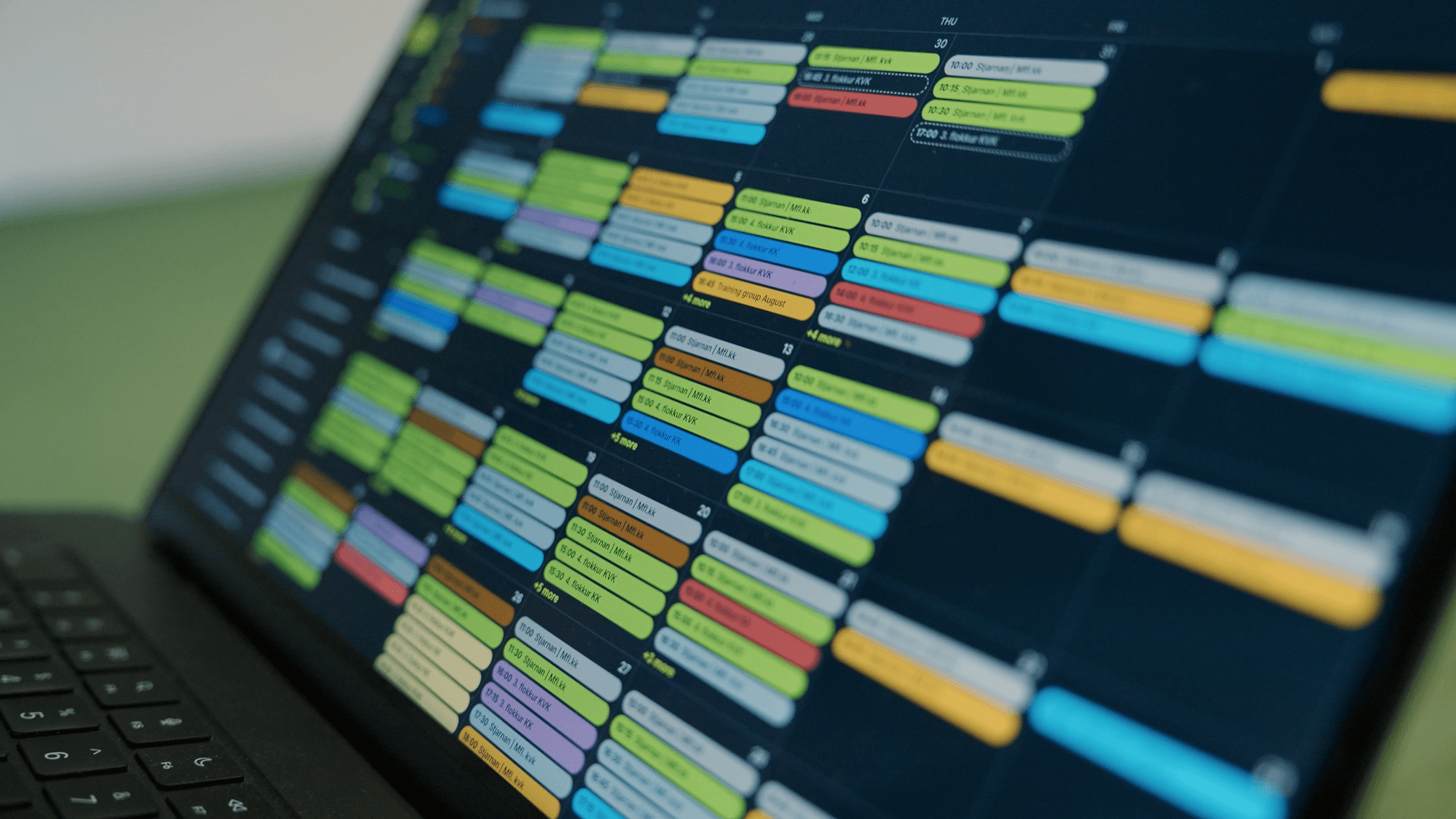
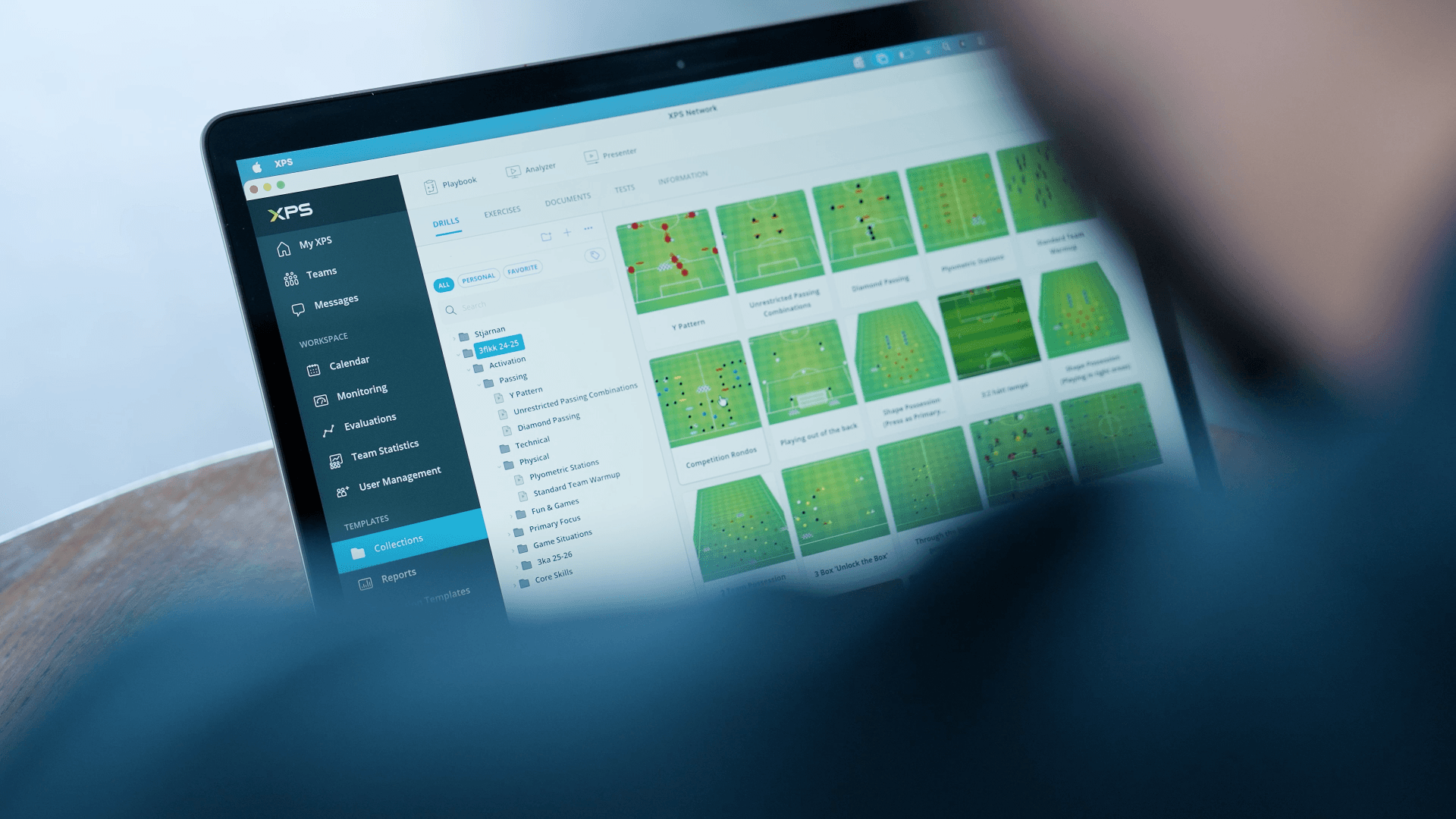
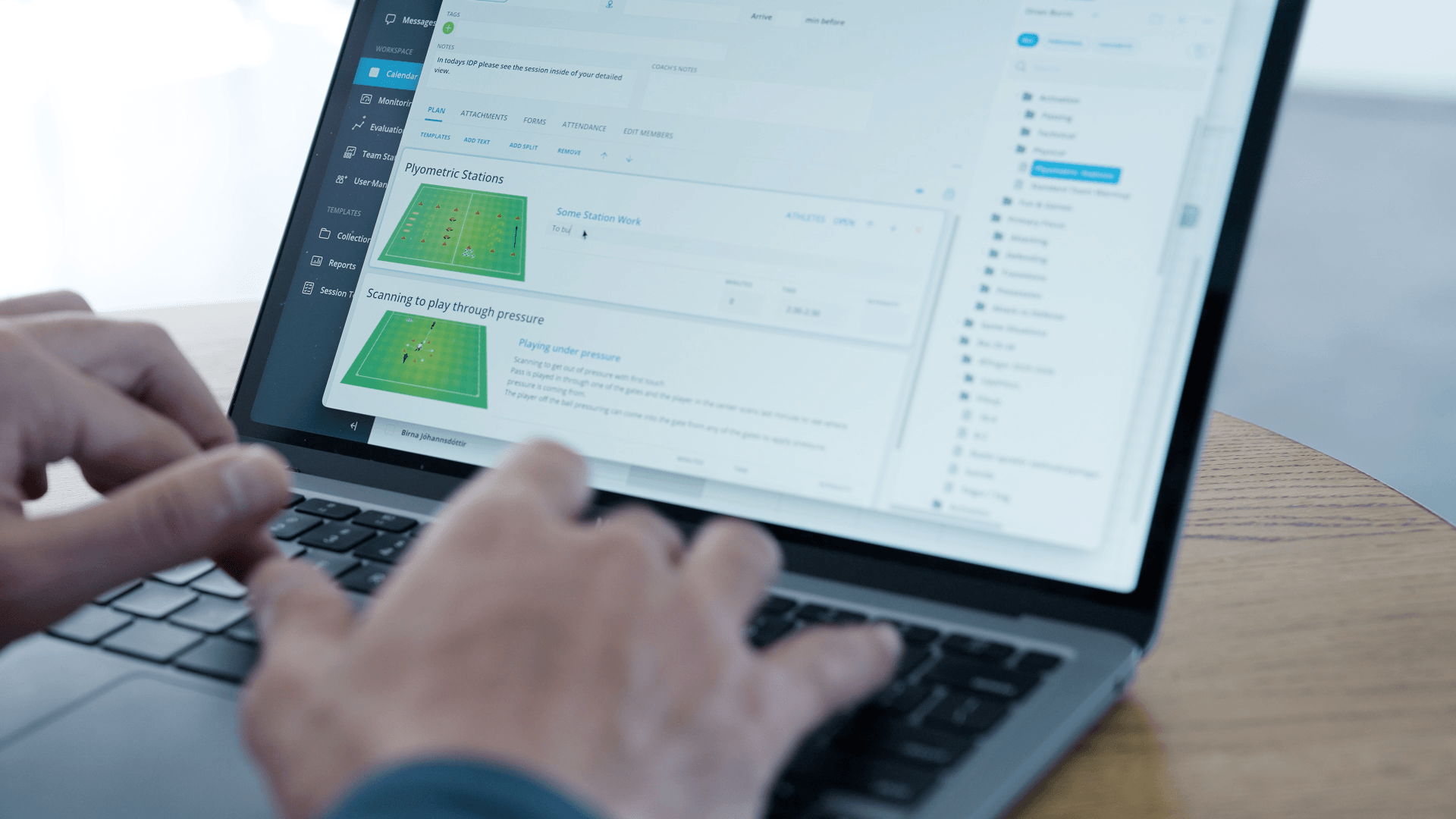
The club has also introduced a tactical periodization approach, organizing sessions around specific tactical parts of the game. Instead of every coach starting from zero, they can see how colleagues have trained the same topic, use what fits and build on it.
It’s really simple for every coach to go into collections and check out sessions other coaches have made for specific tactical parts of the game.
- Þórir Karlsson, Operations Manager and U14 Coach
That preparation carries into the session itself. Players can review videos in XPS before training to understand the day’s focus and what will be expected of them. The plan is therefore not only visible to the coach. It gives players context and a clearer picture of the work ahead.
Making Individual Development Visible
The same principle shapes Stjarnan’s approach to individual development. In XPS, staff can build the full IDP pathway in one place, combining development content, follow-up points and media in a shared view for both the player and coach.
It’s really easy to build the entire individual development pathway in XPS. The widgets and media can all be integrated into what the player sees and what the coach sees.
- Orian Burzic, Head of Individual Development
That shared view makes development easier to follow. Players can return to previous conversations, see what was agreed and prepare for the next meeting. With follow-ups every six weeks, progress stays visible and the development process remains consistent.
It also supports transparency. When first-team staff discuss whether a player is ready to progress, the same message is communicated directly to the player. Expectations are clear, and players can take greater ownership of the commitments they make.
Accountability is maybe at the top of the benefits of the IDP platform for me personally.
- Orian Burzic, Head of Individual Development
For players, a lot of the value is simple: they know what is coming and why they are doing it. Before training, they can check the session, watch a video and arrive with a better idea of the day’s focus.
We were training today to scan and play through pressure. I saw the video before training on XPS.
- Ísak Aron Víðisson, U19 and Reserve Men’s Team Player
That little bit of preparation makes it easier to connect what the coach explains with what happens on the pitch. Players can also revisit feedback and match clips afterwards without everything becoming a big formal process.
Erin McLeod knows both sides of the experience. As a Stjarnan player, she used XPS to see which strength and conditioning programs were planned for each day. Now, as the U19 Women’s Head Coach, she is the one organizing and loading that work for her players.

For the player, there is less guesswork. For the coach, less information gets lost. Everyone can focus more on the actual work.
Combining Objective Data With How Players Feel
Structure and development plans provide one part of the picture. Stjarnan’s women’s first team also uses XPS to connect physical workload with the player’s own assessment of readiness and wellness.
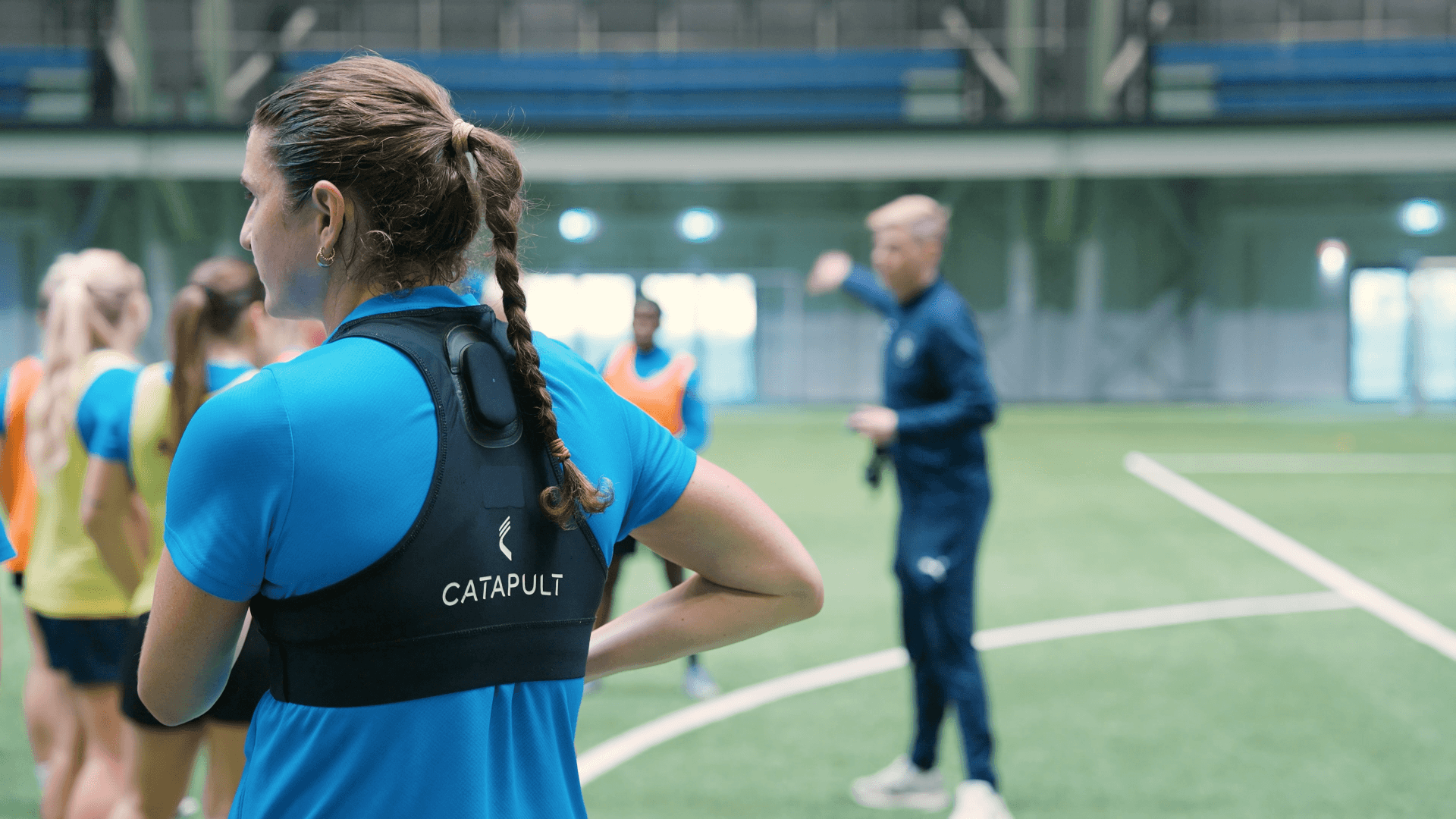
Catapult data gives staff objective information about what the player has done. But numbers alone cannot explain how the player is responding. By collecting wellness and readiness information alongside training load, staff can compare the external demands with the athlete’s own experience.
Catapult gives us the objective data, but that is only one part of the picture. How the players actually feel and their readiness is hugely important for us too.
- Óskar Smári Haraldsson, Head Coach, Women’s First Team
Through the Catapult API integration, physical workload data flows directly into XPS. Staff can then display it in XPS Reports using customized tables and KPIs built around the information that matters to their performance model.
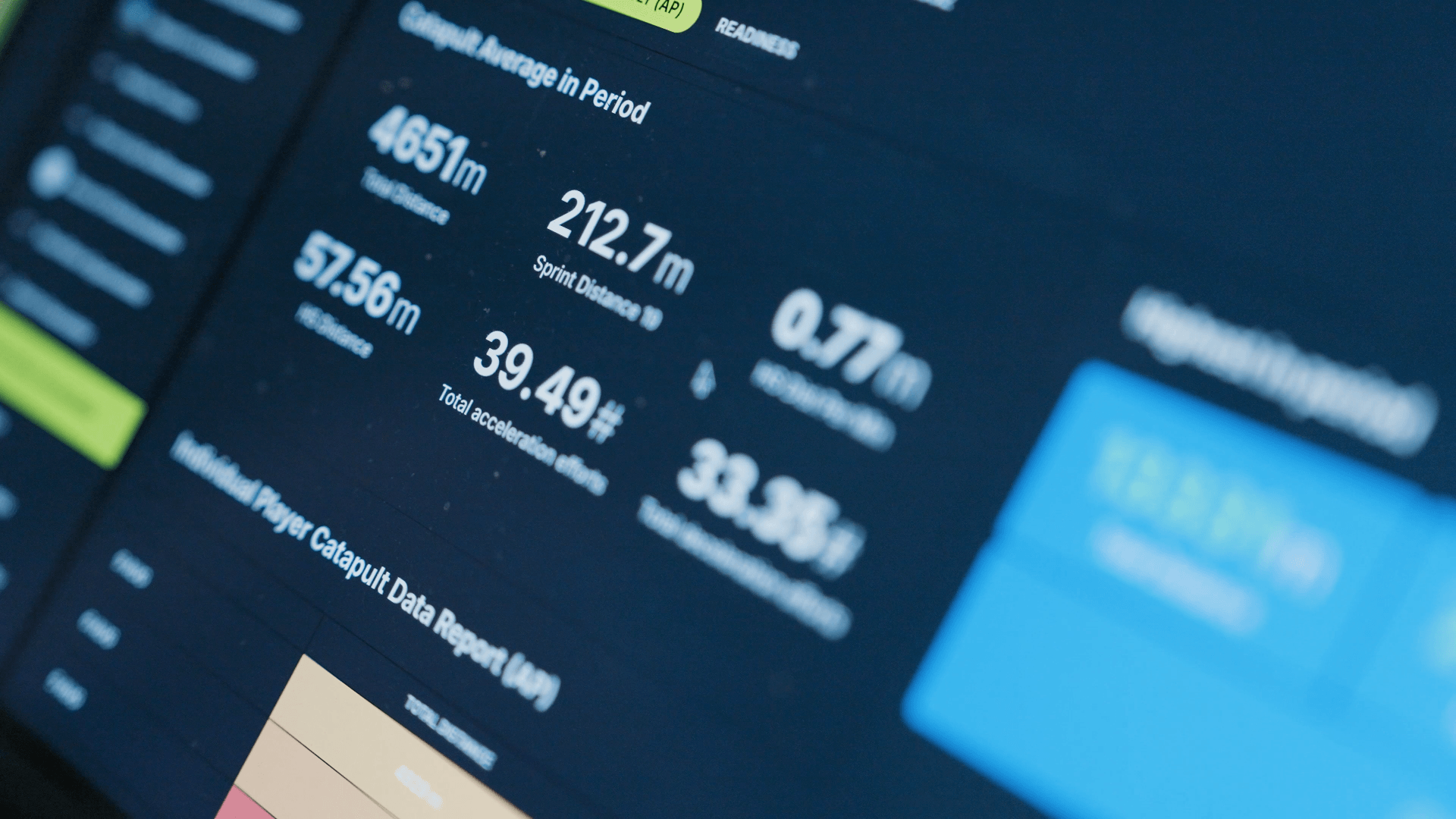
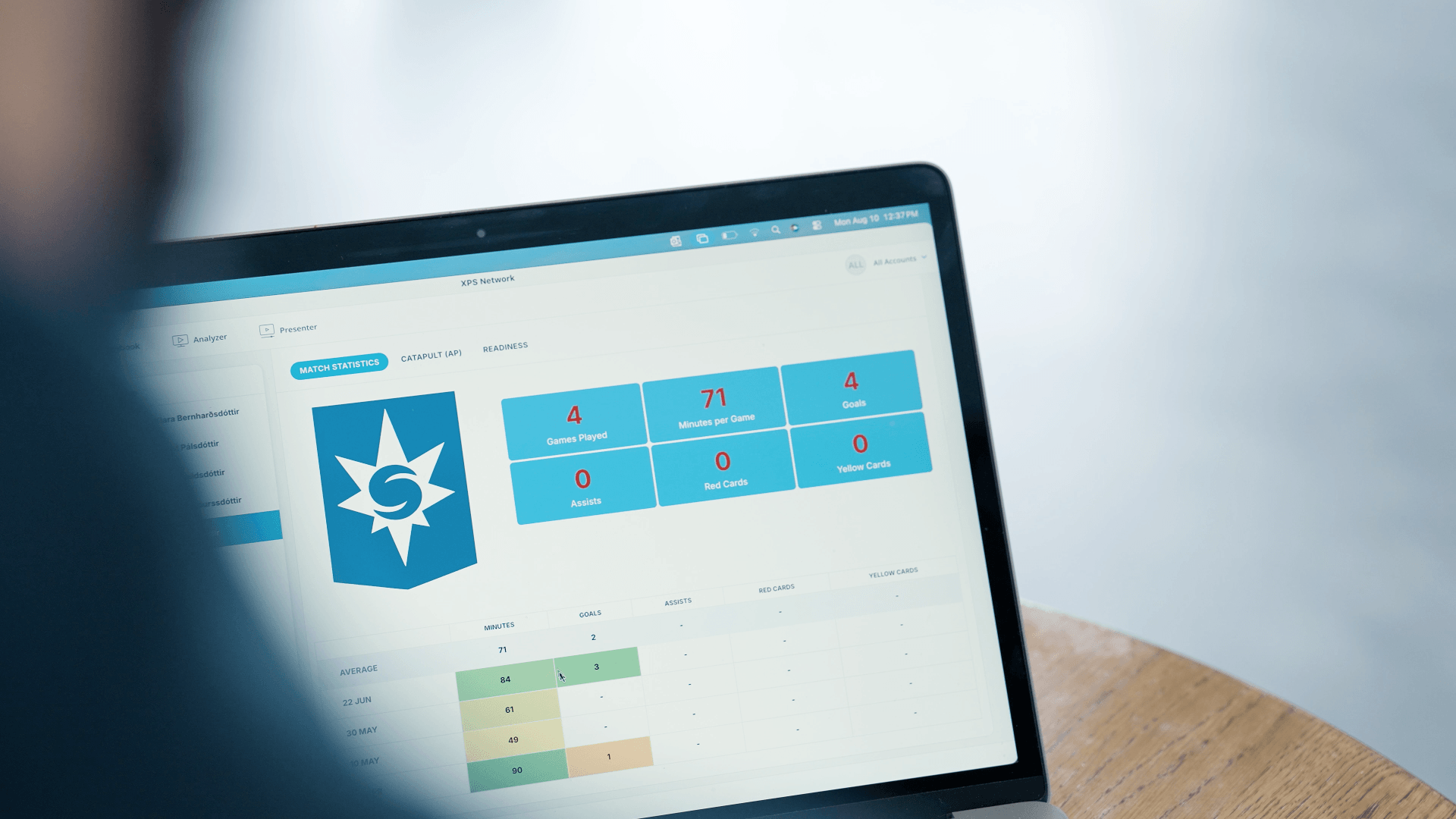
This allows Performance Coach Birgir Freyr and the wider staff to view Catapult data alongside readiness and wellness responses in one reporting environment. Instead of exporting information between different systems, they can follow workload trends, compare objective outputs with the player’s own feedback and adjust the report for different roles or questions.
For Stjarnan, this is particularly useful in work around player welfare, muscle injuries and injury prevention. The data does not make the decision for the coach, but the integration makes the full picture easier to access, interpret and discuss. Burzic sees the impact most clearly in his own day-to-day work.
Before XPS, a lot of my work was unstructured, unorganized and in pieces. Now I can put everything in one place and build a clear identity across my coaching, my team and my individual responsibilities. It’s night and day.
- Orian Burzic, Head of Individual Development
At Stjarnan, XPS is not used simply to store plans or collect data. It supports a way of working in which coaches prepare with greater intent, players take more ownership of their development, and staff can make decisions with a clearer understanding of the full picture.
Related articles





XPS Network Instagram


.svg)
.svg)
